A Meeting Room Chair is more than a place to sit during a discussion. It affects posture, movement, and how comfortably people can focus. In a short briefing, a lightweight chair that slides easily beneath the table may be enough. For longer sessions, supportive cushioning, a stable base, and suitable back support matter more. Small details count: armrests can help some users, but they may prevent chairs from fitting neatly around a crowded table.
There is no single best type for every meeting room. Upholstered chairs can feel comfortable and create a formal look, while mesh-back models allow more airflow. Stackable chairs save storage space, and wheeled chairs make repositioning easier. Each option brings trade-offs. Wheels can move unexpectedly on some floors, and plush padding may feel warm during a long meeting. The right choice depends on room size, session length, cleaning needs, and how often the layout changes. Check dimensions and weight limits before buying, and test chairs with the actual table when possible. That practical check is easy to skip. It can also reveal awkward armrests or tight legroom before they become daily annoyances. Comfort is partly personal, too; one person’s ideal support may not suit another. A thoughtful choice balances durability, function, and the people who will use the room.
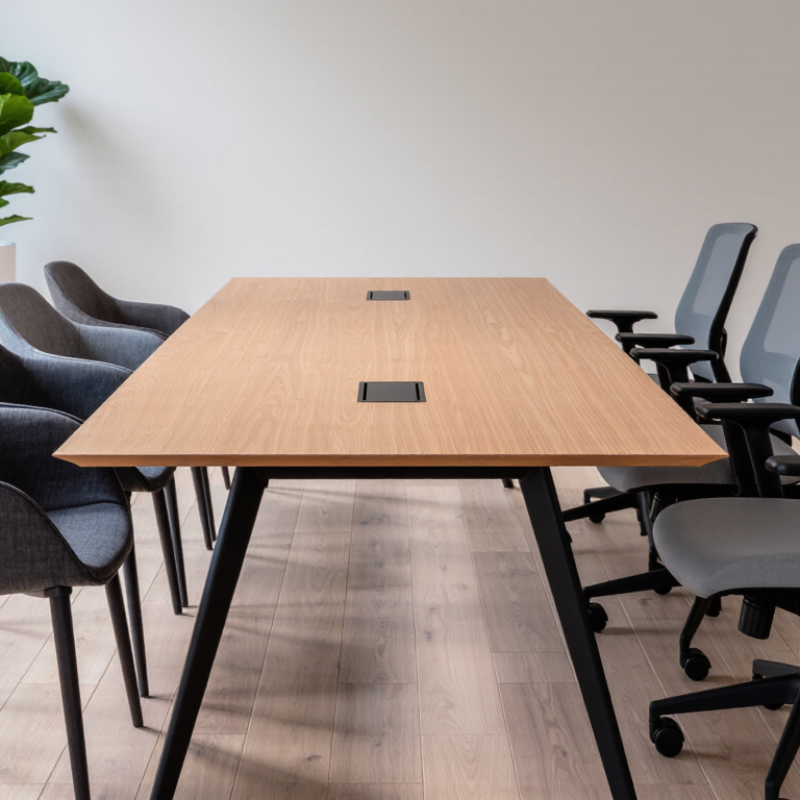
What Defines a Meeting Room Chair?
A meeting room chair is an office chair selected for shared, scheduled use. It should support people through discussion, note-taking, and screen-based work, often across several hours. That means a stable base, a supportive backrest, and a seat that fits a range of users matter more than decorative details. Adjustability helps, but it is not the whole definition. A chair that is difficult to adjust may work poorly in a room where attendees change every hour. Small details count: can someone sit down without scraping the table, and can they turn to face a colleague comfortably?
Durability is part of the definition, too. ANSI/BIFMA X5.1-2017 specifies repeated-load tests for office-chair seats and backrests, including 100,000 seat cycles and 120,000 backrest cycles. These figures describe laboratory testing, not a guaranteed service life. Still, they give buyers a useful way to compare tested seating rather than relying on appearance alone. For conference rooms, a mid-back chair with easy-to-clean upholstery and modest adjustments may suit brief meetings. Longer sessions call for better lumbar support and more seat adjustment. There is no perfect fit for every room; even a well-tested chair can feel wrong when its seat depth or armrests clash with the table.
Key Features That Shape Comfort and Function
A meeting room chair is built for shared work, where people sit, listen, write, and turn toward one another. Its comfort comes from several details working together, not from thick padding alone. Seat height should let most users rest their feet on the floor, with knees comfortable and thighs supported. A gently shaped backrest can support the lower back without forcing one rigid posture. Armrests help some people relax their shoulders, but wide or fixed arms may block close table access. Small details matter.
For longer sessions, breathable upholstery can reduce heat, while firm, resilient foam may hold its shape better over time. A swivel base makes it easier to face speakers. Casters suit flexible layouts; glides can keep chairs steadier on hard floors. Check the floor first. Height adjustment helps when different people share a room, though moving parts may need maintenance. In a compact room, stackable chairs save storage space, but they may offer less cushioning or adjustment. No chair fits all. A plush seat may feel welcoming at first, yet become tiring after an hour. Testing a chair through a full meeting is more useful than judging it by appearance alone.
What Is a Meeting Room Chair and Which Type Is Best? — Key Features That Shape Comfort and Function
Adjustable ergonomic chairs can help accommodate different users during longer meetings. These dimensions are typical fit ranges, not requirements for every meeting-room chair; for brief meetings or flexible layouts, stackable chairs may be more practical. Source: OSHA Computer Workstations: Chairs.
Common Types of Meeting Room Chairs
Meeting room chairs usually fall into a few practical types. Task chairs have adjustable seats, backrests, and sometimes armrests, making them suitable for long discussions or hybrid calls. Their wheels and height controls help people settle quickly, though they may look bulky around a large table. Conference chairs often have fixed legs and upholstered seats. They create a consistent look and are easy to arrange, but a firm seat can become uncomfortable after an hour. Check seat depth, not just padding.
Stacking chairs work well in multipurpose rooms because staff can store them quickly between events. They are often lighter and less expensive, but may offer limited back support. Sled-base chairs, with a continuous metal frame instead of four separate legs, can be a stable option for compact meeting areas. For rooms used throughout the day, ergonomic chairs with lumbar support and adjustable height may be more comfortable. They can also take up more space. One detail is easy to miss: chair arms should fit beneath the table. The “best” type is not always obvious; a sleek chair may suit the room but frustrate people during longer meetings.
How to Choose a Chair for Your Meeting Space
A meeting room chair is designed for shared discussions, not just for looking polished around a table. The right option supports posture, fits the room, and stays comfortable through a meeting. Start with actual use: a ten-minute check-in needs less support than a workshop lasting two hours. Small distinction, often missed.
Measure the table, doorways, and space between seats before choosing. People should be able to pull out a chair without bumping into a wall or a colleague. For long meetings, look for a supportive back, a stable base, and seat height that lets feet rest flat. Adjustable chairs can suit different people, but complicated controls may go untouched. In a compact room, armless chairs or models that stack can make movement easier. A hard floor also makes rolling chairs quieter and simpler to reposition.
Material matters, too. Fabric can feel warm during long sessions, while wipe-clean surfaces are practical for rooms used by many groups. Neither is perfect; some easy-clean finishes feel less inviting. Test a chair in the room if possible. Sit for several minutes, turn toward the person beside you, and check whether the chair scrapes loudly. Comfort is personal, and a quick showroom sit may not reveal an awkward edge or a too-firm seat.
What Is a Meeting Room Chair and Which Type Is Best? - How to Choose a Chair for Your Meeting Space
| Chair Type |
Typical Features |
Best Suited For |
Advantages |
Considerations |
| Task Chair |
Usually has a swivel base, casters, adjustable seat height, and often adjustable back support or armrests. |
Long meetings, collaborative work, and rooms also used for individual desk work. |
Adjustability can help accommodate different users and sitting preferences. |
Casters may move easily on hard floors; check floor compatibility and available clearance around the table. |
| Conference Chair |
A broad category that commonly includes a supportive back, a cushioned seat, and either a fixed or swivel base. |
Boardrooms and meeting rooms where a coordinated, formal appearance is desired. |
Available in many shapes and finishes to suit different room layouts and design needs. |
The term does not specify a single design; compare adjustability and comfort rather than relying on the label alone. |
| Stacking Chair |
Lightweight, typically with a compact frame that allows chairs to stack when not in use. |
Multi-purpose rooms, training sessions, and spaces that need flexible seating capacity. |
Easy to rearrange and store, helping free up floor space between meetings. |
Some designs provide less padding and fewer adjustments than chairs intended for extended sitting. |
| Sled-Base Chair |
A cantilever-style frame with a continuous base that rests on the floor; commonly has a fixed seat height. |
Visitor seating and meeting rooms where a simple, uniform row of chairs is useful. |
Has no casters and can be easy to align around a table. |
Check the frame dimensions and floor surface; the base may leave marks on some flooring if not properly protected. |
| Upholstered Executive Chair |
Often features a padded seat and back, with a larger profile; some versions include swivel and height adjustment. |
Private meeting rooms and settings where a more substantial, cushioned chair is preferred. |
Generous padding can feel comfortable during seated discussions. |
Larger chairs take up more space; upholstery may need more care than wipe-clean surfaces. |
| Counter-Height Stool |
A raised seat designed for a counter-height surface; may include a footrest and may or may not have a back. |
Short stand-up meetings and collaboration at high tables or counters. |
Pairs with elevated work surfaces and can support quick, informal discussions. |
Match seat height to the table and consider a footrest; stools are generally less suitable for long meetings. |
Selection tip: Choose a chair that fits the meeting duration, table height, room layout, storage needs, and floor type. Features vary by model, so confirm dimensions and adjustments before purchase.
Which Meeting Room Chair Type Best Fits Each Need?
A meeting room chair should match the work, not just the room’s appearance. For long planning sessions, choose an adjustable task chair with lumbar support, a stable base, and seat-height controls. These details help people shift posture and keep their feet supported. For short meetings, a stackable or nesting chair saves floor space and moves quickly between rooms. Check that its seat remains comfortable beyond a quick trial.
For collaborative workshops, lightweight chairs with casters make table changes easier, though wheels can drift on hard floors. A fixed four-leg chair is steadier for note-taking and formal discussions. Lounge chairs suit informal catch-ups, but their low seats can make laptops and writing awkward. There is a trade-off. Test the chair with the actual table, not in an empty showroom.
Meeting length matters, but a chair cannot replace movement. The World Health Organization’s 2020 Guidelines on Physical Activity and Sedentary Behaviour recommend 150–300 minutes of moderate-intensity aerobic activity weekly for adults. That is not a chair-selection rule; it is a reminder to avoid designing rooms around hours of stillness. For longer sessions, consider adjustable chairs and brief standing breaks. A practical test: sit, write, turn, and stand. Small details often get missed.
Conclusion
A Meeting Room Chair is designed to support people during discussions, presentations, and collaborative work. Its best features depend on how the room is used, but comfort, stable support, suitable proportions, and easy movement are central considerations. Options range from simple stackable chairs for flexible spaces to padded, adjustable, or wheeled chairs for longer meetings and more frequent use. Materials and design can also affect durability, appearance, and how easily chairs fit into the room.
Choosing the right type means considering meeting length, room size, seating capacity, storage needs, and the activities that take place there. For occasional gatherings or rooms that need to be rearranged, lightweight stackable chairs may be practical. For extended discussions, more supportive chairs can help participants stay comfortable. The best choice is the one that balances comfort, function, and flexibility with the needs of the people using the space.

 YIKE
YIKE