Choosing a Gaming Office Chair for international buyers is not simply about racing-style design or bright colors. Comfort, durability, and fit matter more during long work sessions.
A reliable chair should support the lower back, keep the shoulders relaxed, and allow smooth height adjustment. Its seat should not press sharply behind the knees. Breathable mesh may suit humid rooms, while dense foam can feel warmer but more supportive. Buyers should check seat width, maximum load, armrest movement, and the chair’s footprint before ordering.
Global purchasing adds practical concerns. Review the warranty, replacement-part policy, assembly instructions, and return conditions. Shipping damage can happen, especially with heavy bases and gas lifts. Regional safety requirements may also differ, so credible brands should provide clear product specifications and testing information. Customer reviews are useful, but they can be inconsistent. A few enthusiastic comments cannot replace verified measurements or long-term feedback.
This guide compares leading options for different users, budgets, and working environments. Some recommendations may favor function over appearance. That is intentional. A chair that looks impressive may still create pressure after two hours. Personal body shape, desk height, climate, and daily habits change the result. No universal winner exists.
Test the details.
When possible, buyers should sit for several minutes, adjust every control, and inspect the base and casters. For online purchases, detailed photos and transparent policies become essential. This comparison aims to provide practical, evidence-based guidance while recognizing an unavoidable limitation: comfort remains partly personal. The best choice is the chair that supports consistent, healthy use—not merely the one that attracts attention in a product image.
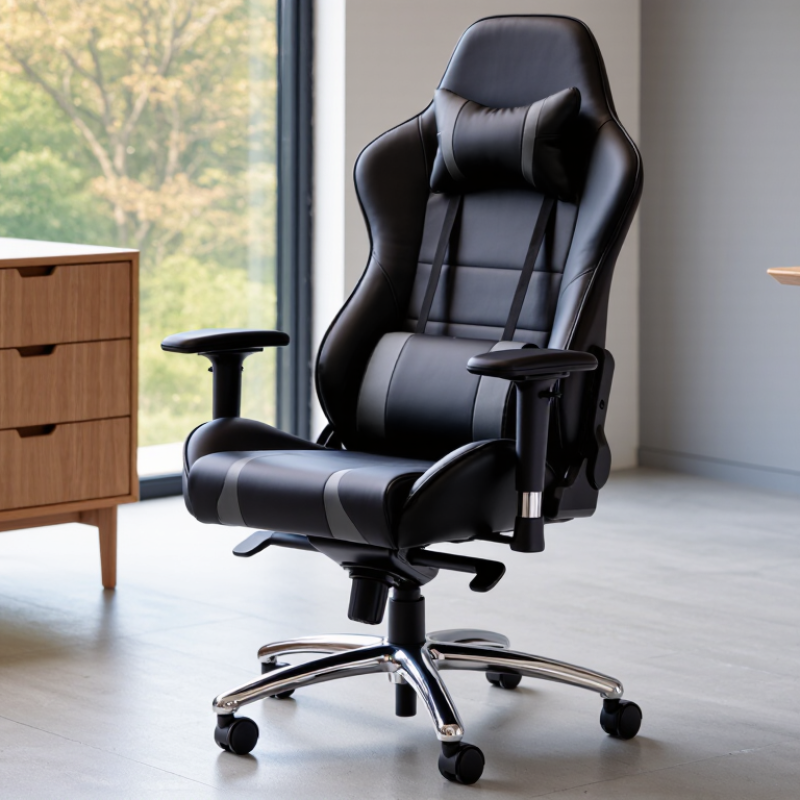
A high-quality gaming office chair begins with fit, not aggressive styling. In practical chair testing, seat depth often matters more than extra cushions. Your knees should bend comfortably, while your back remains supported by the backrest. Fit matters more.
Look for adjustable lumbar support, a stable five-point base, and armrests that move in several directions. Dense foam can feel supportive during long sessions, but it may retain heat. Breathable fabric or mesh often improves comfort in warm regions. A smooth tilt mechanism should move without sudden resistance. Test it carefully. The chair should remain steady when you lean, turn, or adjust your posture.
Materials also reveal construction quality. Check stitching, frame joints, wheel movement, and the gas lift’s stated load capacity. Global buyers should confirm seat dimensions, delivery conditions, spare-part access, and warranty coverage before ordering. Standards and service terms vary by market. Do not trust dramatic weight claims without clear testing information.
Some chairs look premium but create pressure behind the knees after an hour. That is an easy detail to miss. A chair may also feel excellent on day one, then lose support quickly. This is why user reviews, measurable specifications, and transparent maintenance guidance matter. Personal comfort still differs, so the “best” chair is rarely identical for every buyer.
Key quality dimensions for global buyers evaluating ergonomic gaming office chairs
Seat height, backrest recline, armrest movement, and lumbar support help users maintain a comfortable working posture.
Breathable upholstery, supportive foam, and a wide seat are important for extended gaming and office use.
A stable five-star base, smooth casters, reliable mechanisms, and a suitable weight rating support everyday use.
What Are the Top Gaming Office Chairs for Global Buyers?
Global buyers increasingly judge gaming chairs by comfort, adjustability, and long-term support. Appearance matters, but it should not lead the decision. OSHA’s Computer Workstations eTool recommends adjustable seat height, back support, and stable armrests for healthier computer use. These features help users keep their feet supported and elbows near desk level.
Seat depth is often overlooked. A chair that feels comfortable for a tall user may press against a shorter user’s knees. Look for adjustable lumbar support, a reclining backrest, breathable fabric, and a firm but flexible seat cushion. Tilt tension also matters during long sessions. However, no chair can fix poor posture completely. The World Health Organization’s 2022 Global Status Report on Physical Activity estimates that 31% of adults worldwide do not meet recommended activity levels. A supportive chair cannot replace movement.
Tips: Measure your desk before buying. Check the chair’s seat width, minimum height, maximum recline, and weight capacity. For international purchases, confirm local voltage needs only if the chair includes powered features. Review warranty coverage, replacement-part access, and return costs. These details are less exciting, but they often decide ownership quality. I would also question “ergonomic” claims without testing information or recognized safety documentation. A softer cushion may feel luxurious for one hour, then become tiring. Test fit matters.
| Chair Type | Typical User Profile | Seat Height Range | Recommended User Height | Weight Capacity | Core Materials | Ergonomic Features | Best Climate | Global Buyer Considerations |
|---|---|---|---|---|---|---|---|---|
| Ergonomic Hybrid Chair | Gamers who also work or study for long periods | 45–55 cm | 160–195 cm | 120–150 kg | Mesh or fabric backrest; molded foam seat; steel or reinforced nylon base | Adjustable lumbar support, 3D or 4D armrests, seat-depth adjustment, reclining backrest | Most climates; especially suitable for mixed indoor temperatures | Strong all-round choice; buyers should verify adjustment ranges and replacement-part availability |
| Breathable Mesh Gaming Chair | Users in warm or humid regions | 43–53 cm | 155–190 cm | 100–135 kg | Tensioned mesh back; breathable fabric or mesh seat; aluminum or nylon base | Adjustable lumbar support, headrest, synchronized tilt, height-adjustable armrests | Hot and humid climates | Excellent airflow and lower heat retention; mesh tension and cleaning instructions are important |
| Racing-Style Reclining Chair | Users who prefer a supportive, enclosed seating shape | 44–54 cm | 165–200 cm | 120–160 kg | High-density foam; fabric, synthetic leather, or leather upholstery; steel frame | 90–135° or wider recline, adjustable neck and lumbar cushions, tilt lock | Cool or air-conditioned rooms | Often offers strong lateral support; synthetic leather may feel warmer and requires regular cleaning |
| Fabric Comfort Chair | Users prioritizing soft touch, quiet movement, and everyday comfort | 44–52 cm | 160–190 cm | 110–140 kg | Woven fabric; cold-cure or molded foam; steel mechanism and base | Padded armrests, adjustable recline, lumbar cushion, rocking or tilt function | Temperate and mixed climates | Comfortable for daily use; stain resistance, moisture protection, and fabric cleaning support should be checked |
| Compact Gaming Chair | Smaller rooms, children, teenagers, and shorter users | 40–49 cm | 145–175 cm | 90–120 kg | Fabric or synthetic leather; foam padding; reinforced nylon or steel base | Height adjustment, tilt function, fixed or 2D armrests, removable cushions | Indoor use with moderate temperatures | Space-efficient and easier to ship; verify seat width, base footprint, and adult weight suitability |
| Heavy-Duty Gaming Chair | Taller or heavier users seeking additional structure | 47–58 cm | 175–205 cm | 150–200 kg | Reinforced steel frame; high-density foam; fabric or synthetic leather upholstery | Wide seat, reinforced gas lift, adjustable lumbar support, heavy-duty tilt mechanism | All climates, depending on upholstery | Check tested load rating, seat width, cylinder certification, warranty terms, and delivery access |
Top gaming office chairs differ less by racing-style appearance than by measurable fit. Grand View Research estimated the global gaming chair market at about USD 1.77 billion in 2023, with continued growth expected through 2030. That expansion gives buyers more choices, but not every expensive chair offers better support.
Compare seat depth, lumbar adjustment, armrest movement, recline control, and foam density. A chair that lets a 175-centimeter user keep both feet flat may still feel cramped for a taller buyer.
Fit comes first. OSHA’s computer-workstation guidance recommends adjustable seating, supported feet, and a backrest that follows the lower spine. BIFMA performance standards also emphasize stability, durability, and safe load testing. These standards do not prove comfort. They only establish a useful baseline.
Look for a firm seat edge, a smooth recline mechanism, and armrests that move inward for keyboard work. Mesh may feel cooler in Singapore, while dense fabric can feel warmer but quieter in colder rooms. Small details matter.
Global buyers should also compare metric dimensions, assembly instructions, warranty coverage, and replacement-part access. Freight damage is a practical risk. So is confusing “maximum load” with long-term comfort.
I would test the chair for two hours, not ten minutes. Even then, posture habits can undermine good design. That is the part many comparisons miss. Data helps, but individual fit remains imperfect.
Choosing a gaming office chair begins with your body, room, and daily routine. Measure desk height, seat depth, and available floor space before shopping. A tall user may need a higher backrest and adjustable neck support. A shorter user often needs a shallower seat and a firm footrest. Sit with knees near 90 degrees, feet flat, and shoulders relaxed. If the seat edge presses behind your knees, walk away. It looks minor, but numb legs can ruin long sessions. Test the chair for at least ten minutes, not just one comfortable minute.
Materials should match your climate and workload. Breathable fabric usually feels better in warm rooms, while smooth synthetic covers wipe clean after drinks or snacks. Dense foam may support you longer than soft padding, but firmness is personal. Check the base, casters, tilt mechanism, and weight rating in technical documents. Look for stable movement without grinding, sudden drops, or loose armrests. Adjustable lumbar support is useful when it moves with your lower back, not when it is only decorative. Ask about replacement parts and warranty service. Reliable sellers explain these details clearly.
Price alone is a poor guide. A cheaper chair can suit occasional play, while daily users may value durable adjustment parts. Consider return shipping, assembly time, and local repair options. Reviews help, but they can hide differences in height, posture, and climate. I once trusted a soft seat that felt luxurious in a showroom; after two hours, it created pressure points. That mistake changed my checklist. Comfort is not a feature you can confirm from a photograph. Recheck your posture after a week, because the first impression may be wrong.
Global purchasing decisions require more than appearance and price. Buyers should compare ergonomic support, regional standards, shipping terms, and after-sales service. Grand View Research estimates the global gaming chair market will grow steadily through 2030. That growth increases choice, but also creates inconsistent quality. Look for adjustable lumbar support, seat depth, armrests, and stable five-star bases. EN 1335 and BIFMA testing references can help buyers assess office-chair safety, although compliance claims need verification. A product page alone is not enough.
Tips: Request test reports, warranty terms, spare-part availability, and packaging dimensions. Confirm whether the quoted price includes duties, taxes, and delivery. DHL’s 2024 e-commerce research shows that delivery expectations strongly influence online purchasing decisions. Clear lead times matter, especially for buyers ordering across borders. A delayed chair can disrupt a workplace launch or gaming-room installation.
Material choice also affects global purchasing. Breathable mesh may suit humid regions, while thick synthetic leather can feel uncomfortable in warm rooms. Check temperature, cleaning needs, and repair options before ordering.
The World Bank’s 2023 Logistics Performance Index shows major differences in customs efficiency and infrastructure between markets. Buyers should therefore avoid judging suppliers by unit price alone.
I still find low prices tempting, but the cheapest quotation may hide weak packaging, limited support, or costly returns. No single report captures every regional risk. Personal testing remains valuable when possible.
A high-quality chair fits your body before it looks impressive. It should support your back, legs, and daily posture. Strong construction matters too.
Seat depth affects knee pressure and back support. Your knees should bend comfortably without the seat edge pressing behind them. This detail is easy to miss.
Look for adjustable lumbar support, seat height, recline control, and moving armrests. Armrests should keep your elbows near desk level. More adjustment usually helps.
Mesh or breathable fabric can reduce heat in warm rooms. Dense foam may feel supportive but retain warmth. Comfort changes with climate and clothing.
Inspect the five-point base, wheels, frame joints, and tilt mechanism. The chair should remain steady while leaning or turning. Test it carefully.
Check seat width, seat depth, minimum height, maximum recline, and load capacity. Measure your desk first. Numbers prevent expensive surprises.
No. Safety testing can indicate stability and durability, but it cannot guarantee personal comfort. A chair may pass tests and still press behind your knees. Fit remains personal.
Confirm delivery terms, warranty coverage, return costs, assembly instructions, and spare-part access. Freight damage can complicate ownership. Service details matter.
No chair can replace regular movement or healthy posture habits. Stand, stretch, and change positions during long sessions. The chair helps, imperfectly.
Ten minutes may hide pressure points. Try the chair for about two hours, if possible. I might still overestimate first impressions.
A high-quality Gaming Office Chair combines durable construction, supportive ergonomics, and long-term comfort for work and play. Global buyers should evaluate adjustable seat height, armrests, backrest recline, lumbar support, headrest design, breathable materials, cushioning, weight capacity, and the stability of the base and casters. A well-designed chair should encourage healthy posture, reduce pressure during extended sitting, and provide smooth adjustments for different body types and desk setups.
When comparing top Gaming Office Chair options, buyers should balance comfort, functionality, build quality, appearance, and total cost rather than focusing on a single feature. Individual needs, room size, usage time, and available space should guide the final choice. International purchasing factors are also important, including product dimensions, shipping methods, assembly requirements, warranty coverage, return policies, replacement-part availability, material certifications, and compatibility with regional safety expectations. Careful comparison helps buyers select a reliable chair that offers lasting value across different markets.

YIKE