Why Choose a Fabric Office Chair for Your Workspace?

Time:2026-10-08 Author:Aria
0%

Choosing a Fabric Office Chair is not merely a style decision. It affects comfort, temperature, maintenance, and how a workspace feels during long tasks. A woven seat can feel warmer and less slippery than leather, especially in a quiet home office. Its surface also adds visual softness beside hard desks, glass screens, and metal storage.

The International Ergonomics Association emphasizes fitting work equipment to the user, rather than forcing the user to adapt. That principle matters here. A fabric chair should provide adjustable seat height, lumbar support, stable armrests, and a seat pan that supports the thighs without pressing behind the knees. The U.S. Occupational Safety and Health Administration also recommends adjustable workstations that support neutral postures and reduce awkward reaching. Fabric alone cannot correct poor ergonomics.

Research adds useful context. The Gensler Research Institute’s 2024 Global Workplace Survey connects workplace quality with employee experience, choice, and effectiveness. Steelcase’s global workplace research similarly highlights the need for varied, supportive settings as work patterns become more flexible. These findings do not prove that every user needs fabric. They suggest that material choice should match real behavior.

Consider the details. A breathable weave may feel better during a three-hour video call. A tightly woven, stain-resistant textile may suit a shared office. A pale fabric can brighten a small room, but it may reveal coffee marks quickly. That is the uncomfortable part: fabric requires honest maintenance planning. Buyers should check cleaning instructions, abrasion ratings, warranty terms, and replacement-part availability before choosing a Fabric Office Chair. Comfort is personal. Evidence helps, but it cannot replace sitting in the chair.
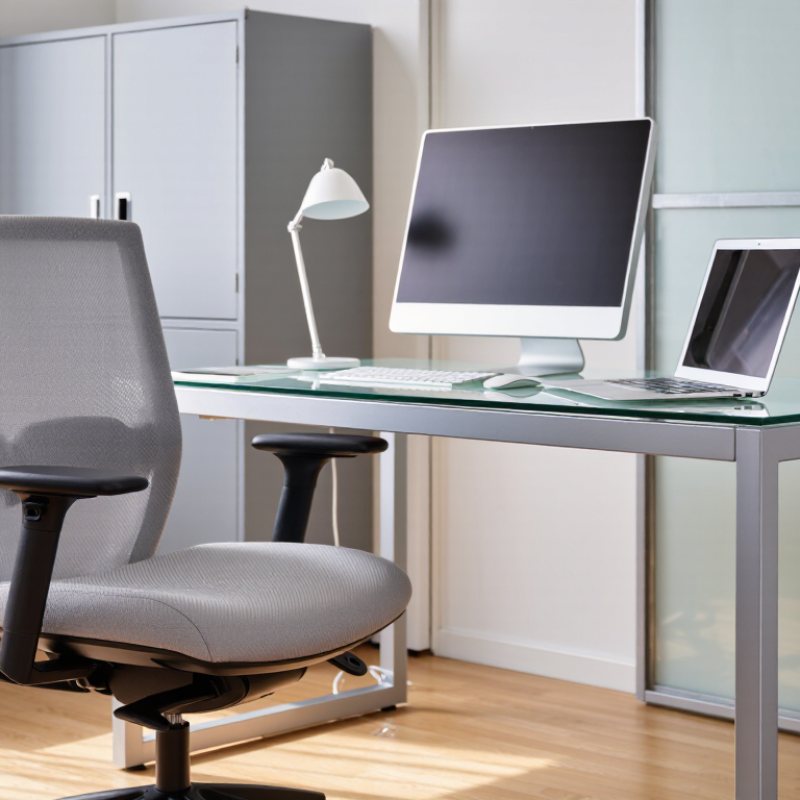
Why Choose a Fabric Office Chair for Your Workspace?

Fabric Breathability for Eight-Hour Comfort: Evidence from Textile Performance Data

Why Choose a Fabric Office Chair for Your Workspace?

Fabric can make an office chair feel cooler during a long working day. Its woven structure may allow air to move through the seat and backrest. Textile performance data often measures this property as air permeability, reported in litres per square metre per second. Higher values usually suggest better airflow, although foam density and chair design also matter.

Moisture management is equally important. Testing may record water vapour transmission in grams per square metre per day. A breathable fabric can help sweat escape instead of trapping it against the body. In an eight-hour work session, this difference becomes noticeable around the lower back and thighs. I have found that a lightly textured weave also reduces the sticky feeling caused by smooth, non-porous coverings. Small detail. Real comfort often depends on it.

Fabric is not perfect. Loose weaves can collect dust, absorb spills, or show wear sooner. Abrasion testing, commonly measured through repeated rubbing cycles, helps estimate durability. Yet laboratory results cannot reproduce every desk, climate, or posture. A breathable chair may still feel warm in a poorly ventilated room. Seat foam, clothing, humidity, and personal sensitivity all influence the experience. Choosing fabric therefore requires more than trusting one impressive number. Look for balanced airflow, reliable abrasion resistance, easy cleaning, and a supportive structure. Data informs the decision, but daily use remains the honest test.

Why Choose a Fabric Office Chair for Your Workspace?

Fabric Breathability for Eight-Hour Comfort

Moisture regain indicates how much moisture a textile fiber can absorb relative to its dry weight. Higher values generally suggest greater moisture-handling potential, which can support a drier seating surface during extended desk work. The values below are widely reported nominal textile-performance figures and can vary with yarn construction, finishing, and fabric structure.

Ergonomic Support and ANSI/BIFMA X5.1 Office Chair Requirements

Why Choose a Fabric Office Chair for Your Workspace?

A fabric office chair can make a workspace feel warmer and less clinical. Its breathable surface may reduce the sticky feeling that appears during long work sessions. In my experience, fabric also feels quieter when clothing moves across the seat. That small detail matters in shared offices. Still, fabric can absorb spills and odors. Regular vacuuming and prompt cleaning are necessary.

Ergonomic support should work alongside material choice. Adjust the seat height so both feet rest firmly on the floor. The backrest should support your lower back without forcing your shoulders forward. Armrests should let your elbows stay near your body. Small adjustments matter. The ANSI/BIFMA X5.1 standard evaluates office seating through tests for stability, strength, durability, and structural performance. It can include the chair base, casters, seat, back, and arms. A chair meeting this standard has passed defined performance tests, but that does not guarantee personal comfort.

Check the product documentation carefully. Look for clear testing or conformance information, not vague safety language. Sit for several minutes before choosing. Notice pressure under your thighs and movement in your lower back. I have found that a chair may feel excellent briefly, then become tiring after an afternoon. That is easy to miss. Fabric texture, foam firmness, adjustment range, and user posture all affect the result. A durable chair still needs sensible daily use and periodic inspection. Loose hardware should not be ignored.

Durability Explained: What 100,000-Cycle BIFMA Testing Reveals

A fabric office chair adds a softer, warmer feel to a daily workspace. It also reduces the cold, slippery touch of some hard surfaces. The important question is durability. A 100,000-cycle BIFMA test repeatedly loads the seat and related components under controlled conditions. It examines wear, loosening, structural damage, and functional changes. This is not a showroom impression. In practical chair evaluations, repeated cycling can expose weak stitching, compressed foam, or a mechanism that slowly develops play.

Passing the test suggests strong structural endurance, but it does not promise perfect performance forever. The cycle count mainly measures repeated-use resistance. It does not guarantee stain resistance, color stability, or freedom from fabric pilling. Daily dust, spilled coffee, body weight, and poor posture still affect the chair. That distinction is easy to miss. I would inspect the seams, fabric tension, foam recovery, and adjustment controls before buying. A chair may survive testing and still feel uncomfortable after three hours. Regular vacuuming and prompt spot cleaning can protect the upholstery. However, aggressive cleaners may weaken fibers or change the texture. The test is valuable evidence, not a substitute for thoughtful maintenance and real sitting experience.

Why Choose a Fabric Office Chair for Your Workspace? - Durability Explained: What 100,000-Cycle BIFMA Testing Reveals

Evaluation Dimension Test or Data Point What the Result Indicates Practical Benefit of Fabric Upholstery
Seat durability 100,000-cycle durability testing under an applicable BIFMA office-chair test protocol The seat structure, foam, upholstery attachment, and related components are subjected to repeated loading to identify premature loosening, breakage, or loss of function. A properly constructed fabric seat can remain comfortable and presentable during frequent daily use when the upholstery, padding, and frame are engineered as a complete system.
Load resistance Common commercial office-chair test programs use a 275 lb (125 kg) reference user load for selected static and durability evaluations. The chair is evaluated for structural stability and resistance to deformation under a defined test load; this is not automatically the same as the manufacturer’s user-weight rating. Fabric itself does not determine load capacity; the frame, mechanism, fasteners, seat pan, and upholstery construction work together to support the user.
Surface abrasion Commercial upholstery fabrics are commonly specified with abrasion ratings of approximately 30,000 to 100,000+ double rubs, depending on fiber, weave, and test method. Higher abrasion results generally suggest better resistance to visible wear from repeated contact, although test methods and fabric constructions must be compared consistently. A tightly woven fabric can provide a durable, repairable surface without the peeling risk associated with some coated upholstery materials.
Pilling resistance Textile pilling is commonly graded on a 1–5 scale, where Grade 5 represents the least visible pilling and Grade 1 represents the most severe pilling. A higher grade indicates better resistance to fiber-ball formation after rubbing, but performance can vary with clothing, dust, cleaning, and use conditions. Selecting a fabric with a strong pilling grade helps preserve a neat appearance in shared offices and high-use work areas.
Breathability and comfort Woven textiles generally allow more air exchange than non-perforated solid surfaces; the actual result depends on weave density, backing, foam, and room conditions. Greater air permeability can reduce the hot, sticky sensation during prolonged sitting, but it is not a substitute for ergonomic seat design. Fabric can provide a softer hand feel and improved day-to-day comfort, particularly in warm environments or during long work sessions.
Cleaning and stain care Performance depends on the textile’s fiber content, finish, colorfastness, and care code; water-based and solvent-based cleaning instructions are not interchangeable. Following the upholstery care code helps prevent shrinkage, color change, texture damage, and permanent staining. Many fabric covers can be spot-cleaned and, where designed for it, replaced more easily than permanently bonded surface materials.
Overall durability interpretation A 100,000-cycle result is evidence of repeated-use performance under a defined laboratory procedure, not a guaranteed service-life calculation. Actual lifespan also depends on user weight, sitting habits, adjustment frequency, cleaning practices, environment, and maintenance. Fabric is a strong choice when comfort, breathability, visual texture, and maintainability are priorities alongside a tested chair structure.

Note: BIFMA durability testing evaluates the chair or chair components under specified laboratory conditions. It should not be interpreted as a direct abrasion rating for the upholstery fabric or as a guaranteed number of years of use.

Indoor Air Quality: Comparing Fabric Chairs with GREENGUARD Gold Criteria

A fabric office chair can make a workspace feel warmer and less clinical. However, upholstery affects more than comfort. It may influence indoor air quality through fibers, dyes, foam, adhesives, and backing materials.

I once assumed fabric was automatically the healthier choice. That assumption was too simple. GREENGUARD Gold criteria focus on low chemical emissions from the complete product, not fabric alone. Testing examines volatile organic compounds in controlled chambers.

A chair meeting these limits can reduce pollutants released into an occupied room, especially during the first weeks after installation. Look beyond the cover.

Check whether the evaluation includes the chair’s foam, frame, coatings, and glue. These hidden components can contribute to odor even when the fabric feels natural. In a small office with closed windows, the difference becomes noticeable: a strong “new furniture” smell may linger near the desk.

Ventilation still matters. Airing out a chair before daily use is sensible, although it cannot replace verified testing. Fabric also needs regular vacuuming, because dust can collect between woven fibers.

A low-emission chair may support cleaner air, but careless cleaning products can undermine that benefit. I would compare test documentation, material details, and maintenance instructions before choosing. My judgment may change as evidence improves.

Cleaning, Climate, and Workspace Fit: Applying BIFMA and VOC Data

Why Choose a Fabric Office Chair for Your Workspace?

Cleaning, Climate, and Workspace Fit: Applying BIFMA and VOC Data

Fabric office chairs can feel warmer and quieter than hard-surface seating. Their texture also suits meeting rooms, home offices, and shared workspaces. However, fabric collects dust, coffee marks, and skin oils. Select a tightly woven cover, removable parts, or clearly stated cleaning instructions. Test a small hidden area before using detergent. Harsh cleaners may change the color or weaken the fibers.

Climate matters every day. In a humid room, dense fabric can hold moisture and feel uncomfortable. In a dry, heated office, breathable fabric may reduce heat buildup. BIFMA-related testing can help assess seating strength, stability, and durability. Look for reports referencing applicable ANSI/BIFMA seating standards, not vague claims such as “commercial grade.” A report should identify the tested model and conditions. Details matter.

VOC data deserves equal attention. Request emissions results with the test method, chamber conditions, and testing date. Low-emission claims without supporting figures are difficult to judge. A new chair may have a noticeable odor for several days. Ventilation helps, but sensitive users may need extra caution. Fit remains personal: check seat depth, lumbar support, armrest height, and desk clearance. Measure before ordering. I still think appearance can influence decisions too much. A beautiful chair that traps heat or cannot be cleaned is a poor long-term choice.

FAQS

Why might fabric improve comfort during an eight-hour workday?

Its woven structure can allow airflow through the seat and backrest. It may feel less sticky around your thighs and lower back. Small difference. Foam, clothing, and room temperature still matter.

How is fabric breathability measured?

Air permeability is often measured in litres per square metre per second. Higher values usually indicate better airflow. However, one number cannot predict every user’s comfort.

Can fabric help manage moisture?

Breathable fabric may help water vapour escape instead of trapping sweat. This can matter during long sitting periods. A textured weave may also reduce the smooth, sticky feeling.

What disadvantages can fabric upholstery have?

Loose weaves may collect dust, absorb spills, and show wear sooner. Odors can also remain if cleaning is delayed. Fabric is comfortable, but not maintenance-free.

What should I check for ergonomic support?

Adjust the seat so both feet rest firmly on the floor. The backrest should support your lower back without pushing your shoulders forward. Armrests should keep your elbows close to your body.

What do office seating performance tests usually examine?

Recognized seating standards may test stability, strength, durability, and structural performance. They can include the base, casters, seat, back, and arms. Passing tests does not guarantee personal comfort.

How can I judge comfort before buying a chair?

Sit for several minutes and notice pressure beneath your thighs. Check movement around your lower back. A chair may feel good briefly, then become tiring after an afternoon.

Does fabric automatically provide cleaner indoor air?

No. Emissions can come from foam, adhesives, coatings, backing materials, or dyes. Look for complete-product low-emission testing, not fabric claims alone. I once assumed fabric was automatically healthier. That was too simple.

How should I maintain a fabric office chair?

Vacuum between the woven fibers regularly. Clean spills promptly with suitable materials. Inspect loose hardware periodically. Ventilate new furniture before extended use, especially in a small room.

Conclusion

A Fabric Office Chair can support a more comfortable and practical workspace when its materials, structure, and maintenance needs are carefully considered. Breathable textile performance may help reduce heat and moisture buildup during an eight-hour workday, while appropriate cushioning, lumbar support, seat height, and adjustable components contribute to better ergonomic alignment. Chairs evaluated against ANSI/BIFMA X5.1 requirements are designed to address stability, strength, and functional safety in typical office use.

Durability testing, including 100,000-cycle evaluations, offers useful insight into how seating may withstand repeated daily movement, although real-world results also depend on weight, use, and care. Fabric selection can influence indoor air quality, so products meeting stringent low-emission criteria, such as GREENGUARD Gold guidelines, may be preferable in enclosed workplaces. Regular vacuuming, prompt spill treatment, suitable climate control, and a fabric suited to the workspace can help preserve comfort, appearance, and long-term performance.

Aria

Aria

Aria is a dedicated marketing professional with a deep passion for innovative strategies and a keen understanding of our company's product offerings. With a wealth of experience in the industry, Aria excels at crafting engaging content that highlights the unique features and benefits of our......